Sachin Lama
Founder & Lead Expedition Leader
NIM Advanced Mountaineering (Grade A) · Wilderness First Responder · guiding since 2013
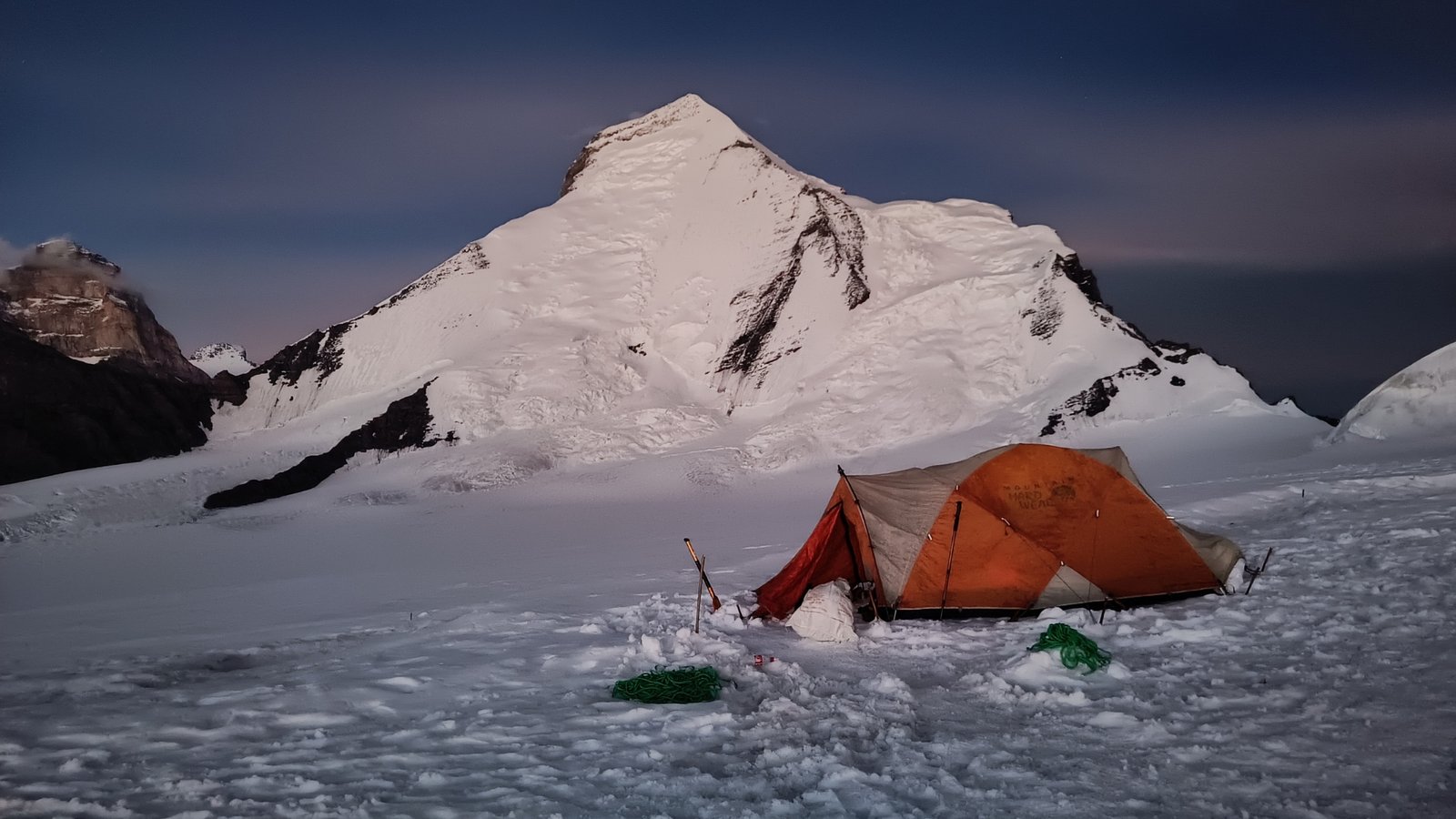
Mount Nun expedition cost, itinerary and booking
A technical expedition for climbers with established mountain skills.
IS THIS TRIP RIGHT FOR YOU?
Experienced mountaineers with technical skills and previous high-altitude climbing experience.
THE ROUTE
The Mt. Nun Peak is a 23-day 7,000 m mountaineering expedition in Ladakh that reaches 7,135 m. Kailasa grades it Difficult. The best time to go is July to September. The published price with Kailasa Treks is ₹ 2,15,000 + 5% GST.
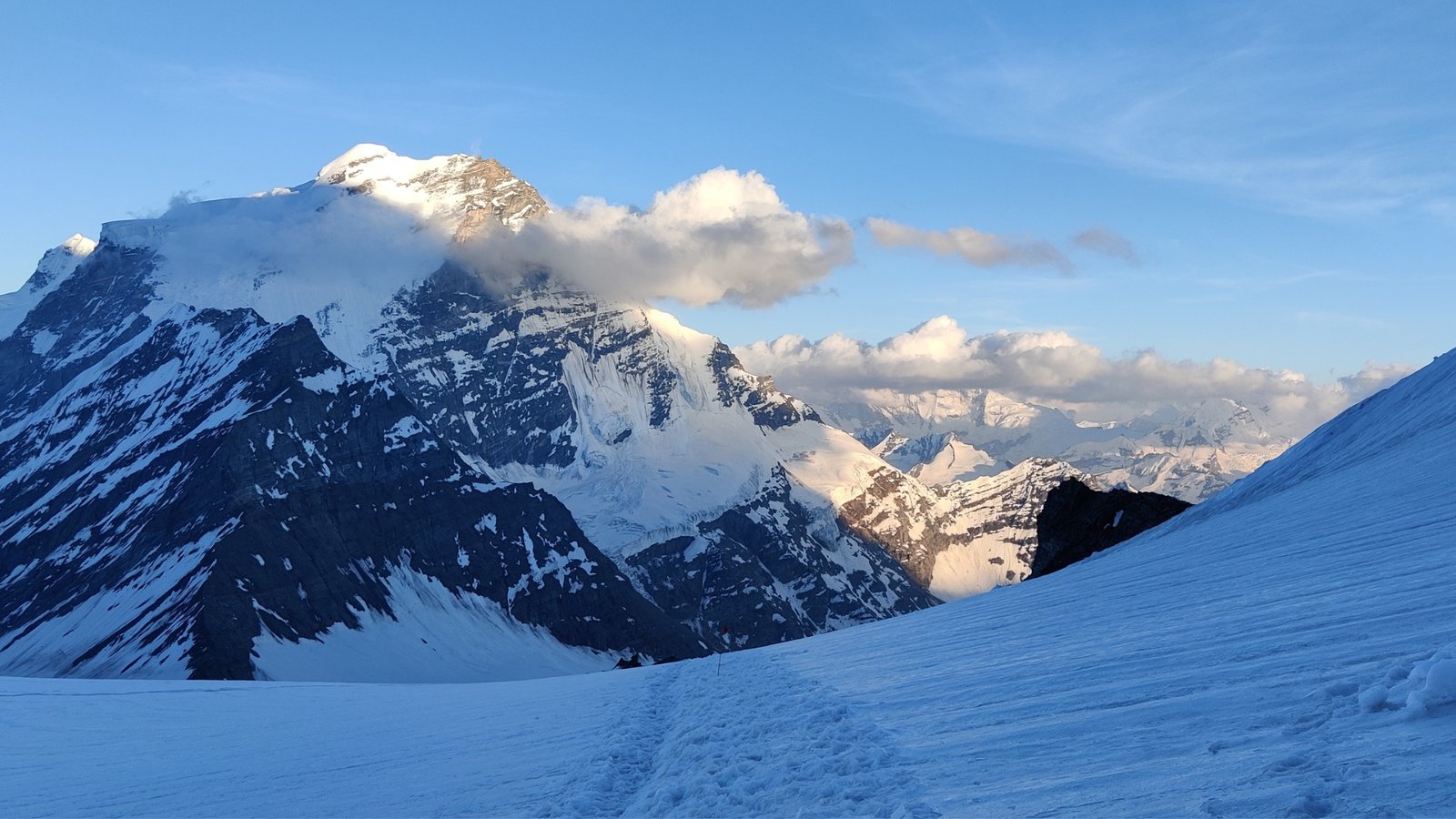
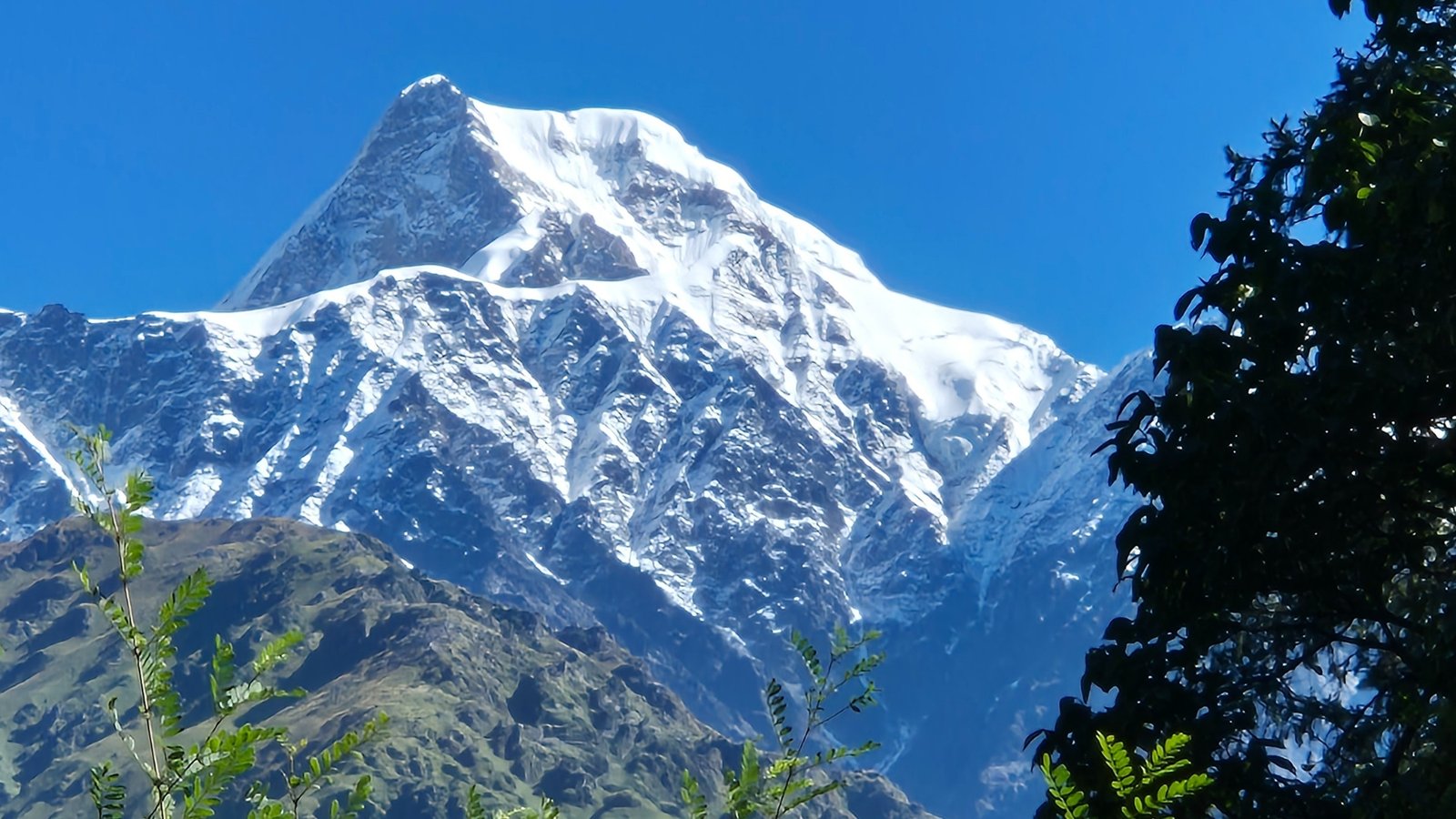
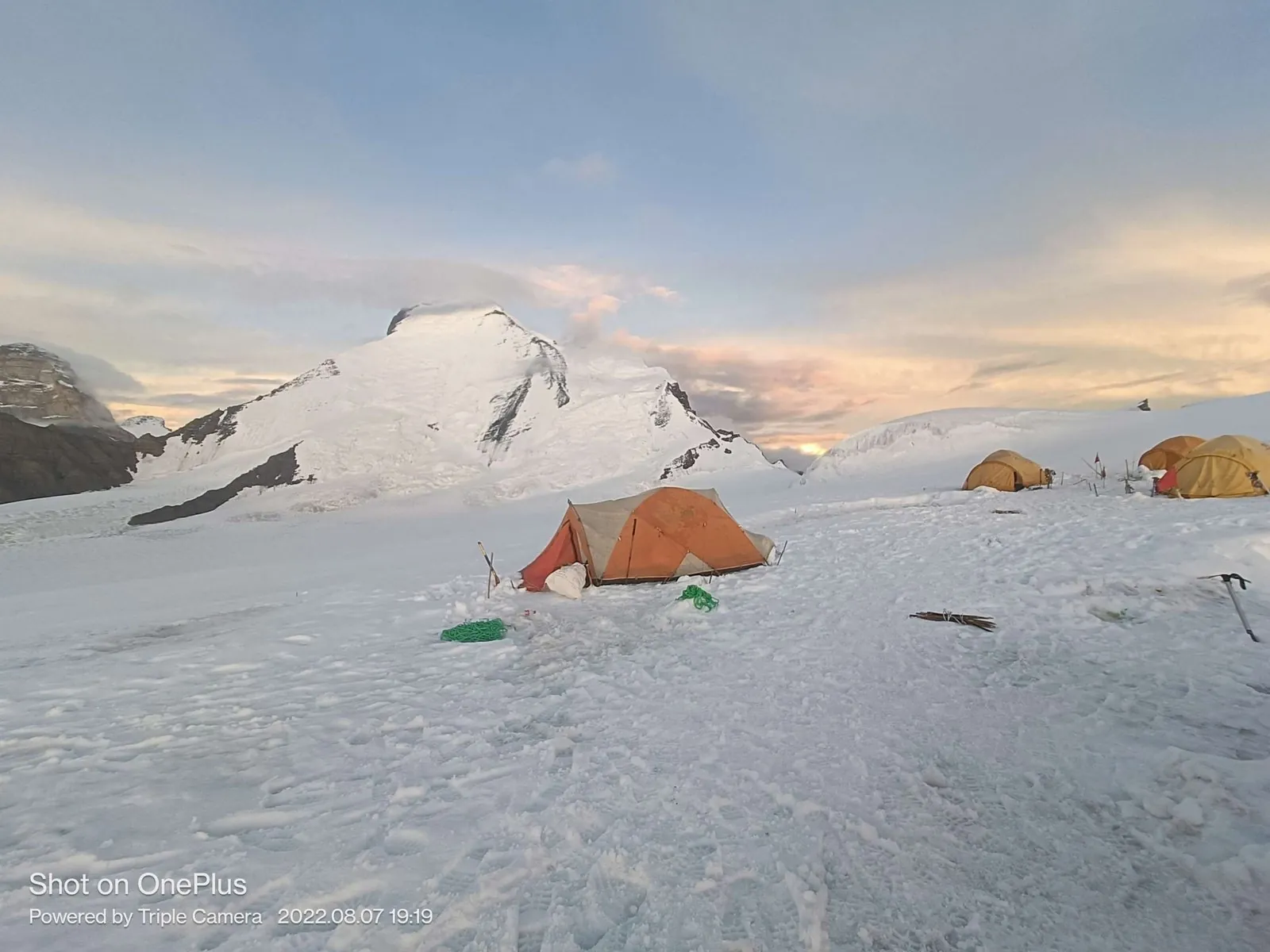
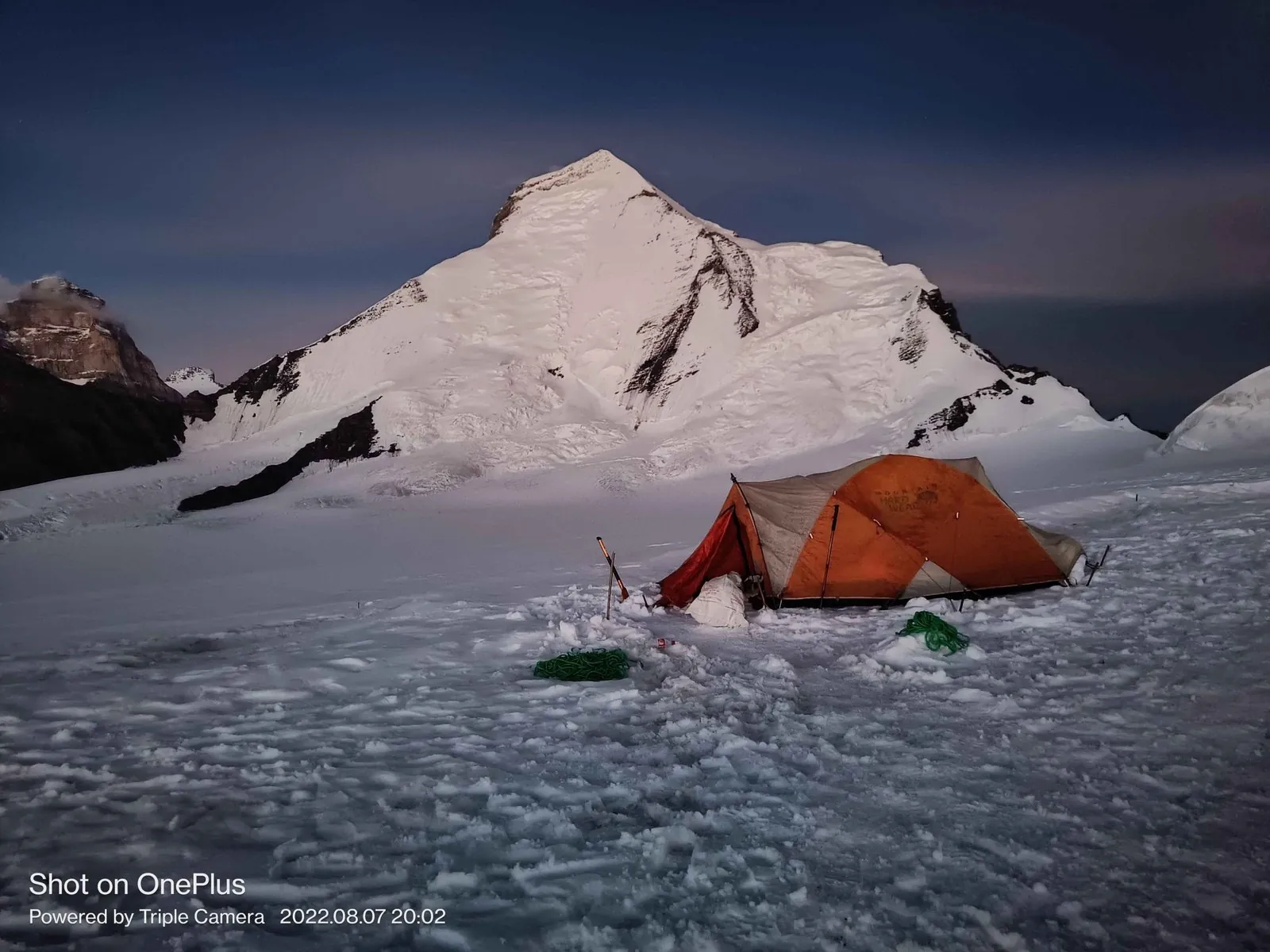
If you’re ready to move beyond trekking peaks and step into the world of serious mountaineering, Mt. Nun is the ideal progression. Towering at 7,135 meters, this giant of the Zanskar range in Ladakh commands attention from the very first glance. Every part of its presence—its massive structure, intimidating slopes, sudden snowstorms, and unpredictable temperament—speaks of raw power. Mt. Nun forms the famous Nun–Kun massif, rising alongside its slightly smaller sibling, Mt. Kun (7,077 m), separated by a 4 km snow plateau. This legendary pair sits in the Suru Valley of Kargil district, around 250 km from Srinagar.
The Himalayas have always been a playground for mountaineers seeking formidable challenges, and among its many peaks—discovered and still hidden— Mt. Nun stands out as a magnet for climbers worldwide. For some, it is a gateway to bigger expeditions; for others, it is a lifelong dream. First climbed in 1953, Mt. Nun is a demanding mountain that tests you with brutal cold, shifting routes, and relentless winds that never quite let you rest.
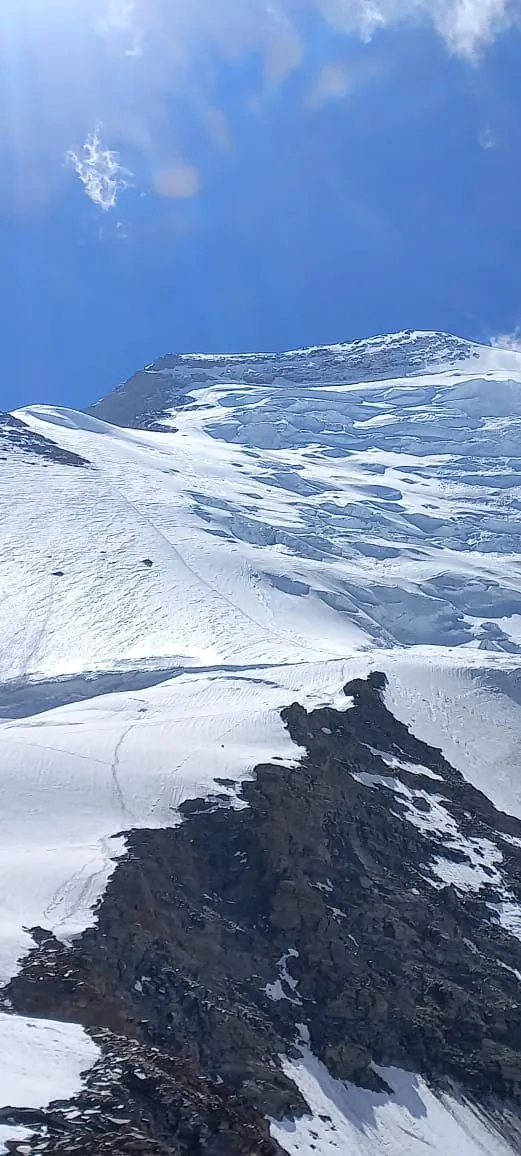
Its crevasse-filled glaciers, constantly changing terrain, steep ice walls, sharp ridgelines, unstable weather, and high altitude make Mt. Nun more challenging than many other 7,000-meter peaks. It is a mountain that accepts only those with unwavering determination and the spirit of teamwork.
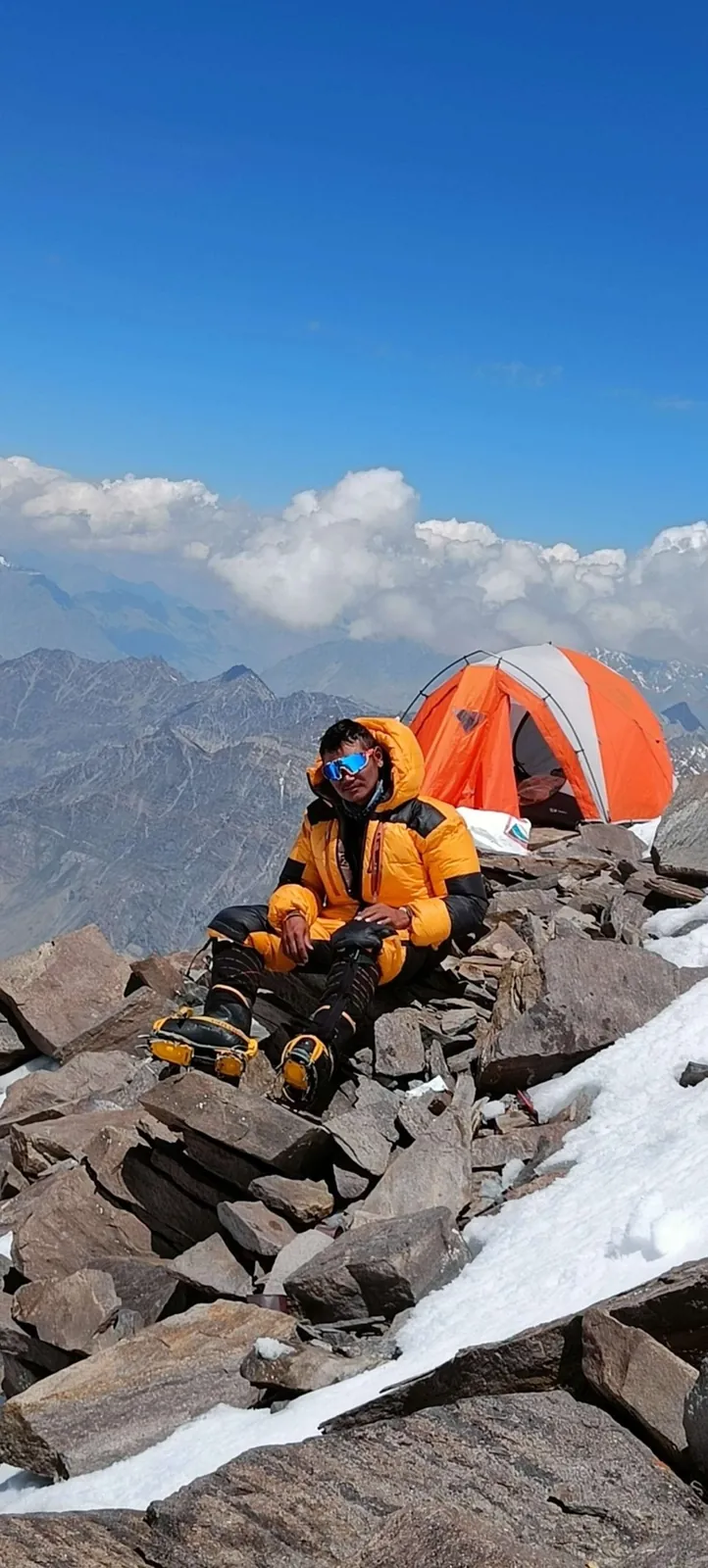
Because of its technical nature, this expedition is strictly for trained and experienced climbers. You must have mountaineering skills, know how to handle technical equipment, and have prior high-altitude experience—ideally with at least one summit above 6,500 meters or a recognized mountaineering certification.
| Region | Ladakh |
|---|---|
| Starts from | Leh |
| Highest point | 7,135 m |
| Duration | 23 Days |
| Difficulty | Difficult |
| Best season | July to September |
| Price | ₹ 2,15,000 + 5% GST |
Route details last reviewed 23 September 2026. Terrain, weather and permits can change the plan on the mountain.
DAY BY DAY
Tap a day to see the route, distances and camps. The schedule can change with acclimatisation, weather and team safety.
Arrive in Leh, the gateway to Ladakh, and check in to your hotel. Altitude is 3,500 m, so the day is kept easy: rest, drink plenty of water and let the body begin adjusting. This is the first of three initial acclimatization nights in Leh.
Rest and light movement around Leh town. Check your gear, pick up anything missing from Leh's mountaineering shops and attend the expedition briefing. Night 2 at the Leh hotel.
A short acclimatization walk to Khardung Tso, then back to Leh. This is the final mandatory preparation night in Leh (Night 3 at the Leh hotel), used to pack and sort expedition loads.
Scenic overland drive to Tangol, the road-head village on the Suru valley approach. Camp at the village. The Sherpas and support team join you here.
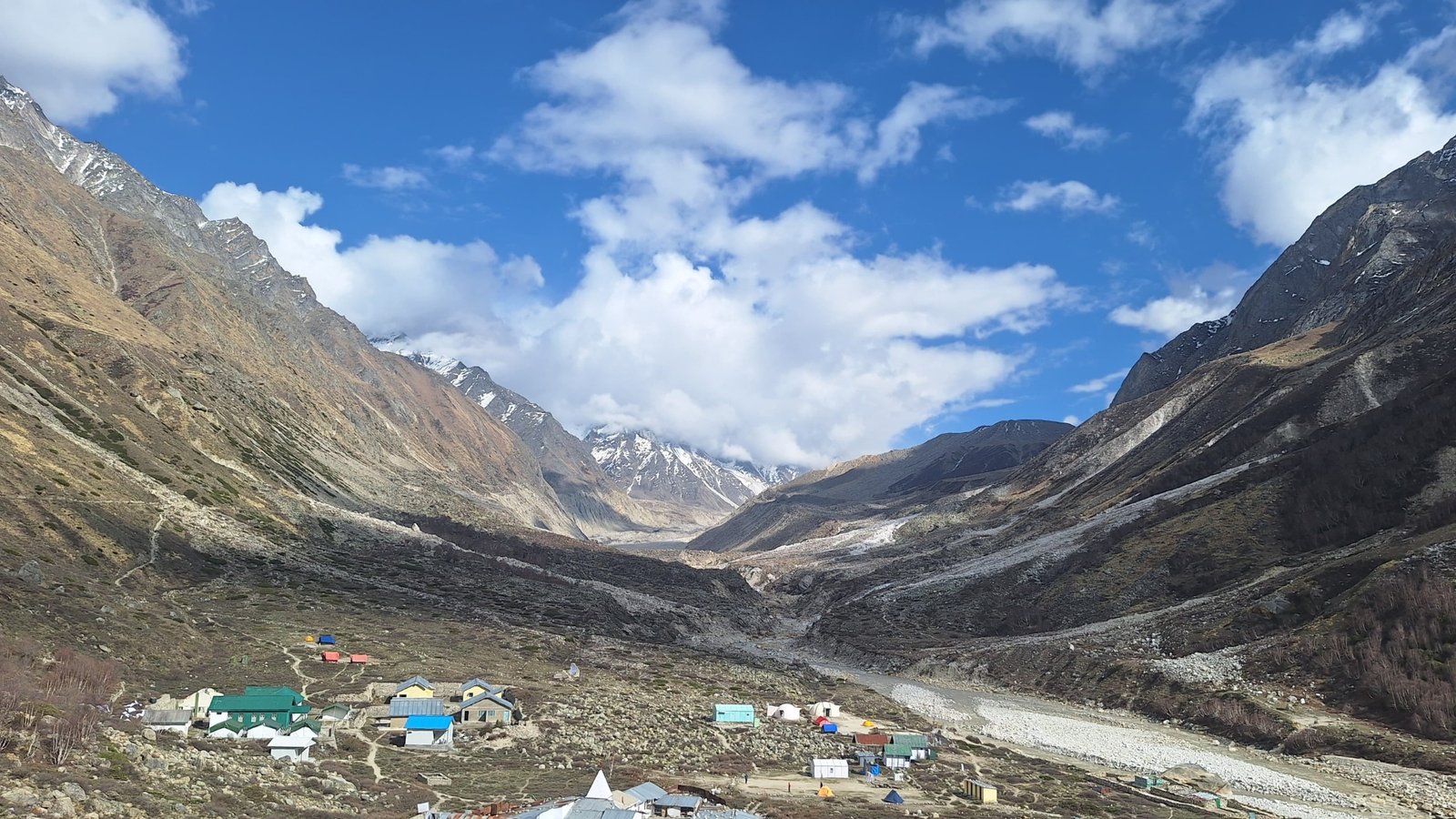
Approach trek to establish the primary Base Camp. The trail crosses the river, passes the last inhabited village and climbs through meadows, shepherd paths and moraine to the camp site.
Rest day at Base Camp for acclimatization. Gear checking, sorting and preparation for the climb ahead.
The climbing period begins with a traditional puja ceremony for a safe climb. Practise fixed-rope work, crampon technique and knots on nearby snow and ice slopes.
The first load ferry carries food, fuel and technical gear up towards Camp 1 before returning to sleep at Base Camp ("climb high, sleep low").
Move up to establish Camp 1 on rocky and glaciated ground with fixed ropes where needed. Sleep at Camp 1.
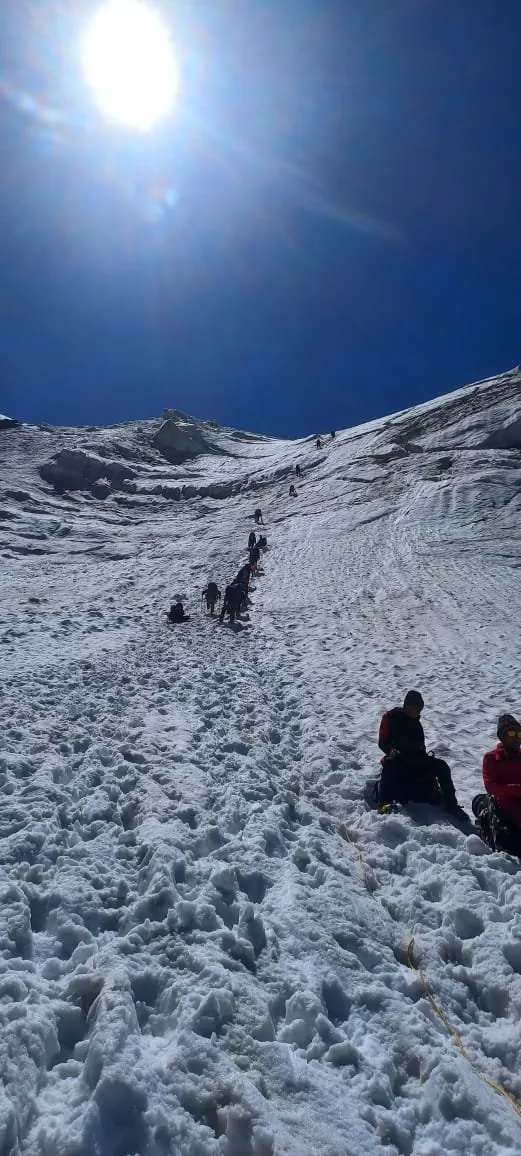
Carry loads towards Camp 2 on the steepest, most technical section and return to Camp 1 to sleep. Fixed ropes and ascenders are used.
Descend to Base Camp to recover after the first rotation.
Recovery day at Base Camp. The leader reviews weather forecasts and finalises the summit plan.
Second rotation: move back up to Camp 1 with personal gear.
Climb the technical section on fixed ropes to Camp 2. Roped movement is required in and around camp.
Move on to Camp 3, the summit camp. Rest, hydrate and prepare for the summit attempt.
The summit push starts around 11 PM to midnight. The route involves steep ice and a difficult boulder zone near the top. Allow 14–16 hours round trip from Camp 3, weather permitting.
Descend after the summit attempt. If the first window is lost to weather, this day also serves as a second summit window at the leader's discretion.
Descend to Base Camp and return all camps' equipment. The climbing period ends today.
Trek down to the Tangol road-head and drive back to Leh. One post-climbing hotel night in Leh.
Buffer day held for weather contingencies or acclimatization adjustments.
Buffer day held for weather contingencies or acclimatization adjustments.
Buffer day held for weather contingencies or acclimatization adjustments.
Transfer to the airport for your onward journey. The expedition ends.
FROM THE ROUTE
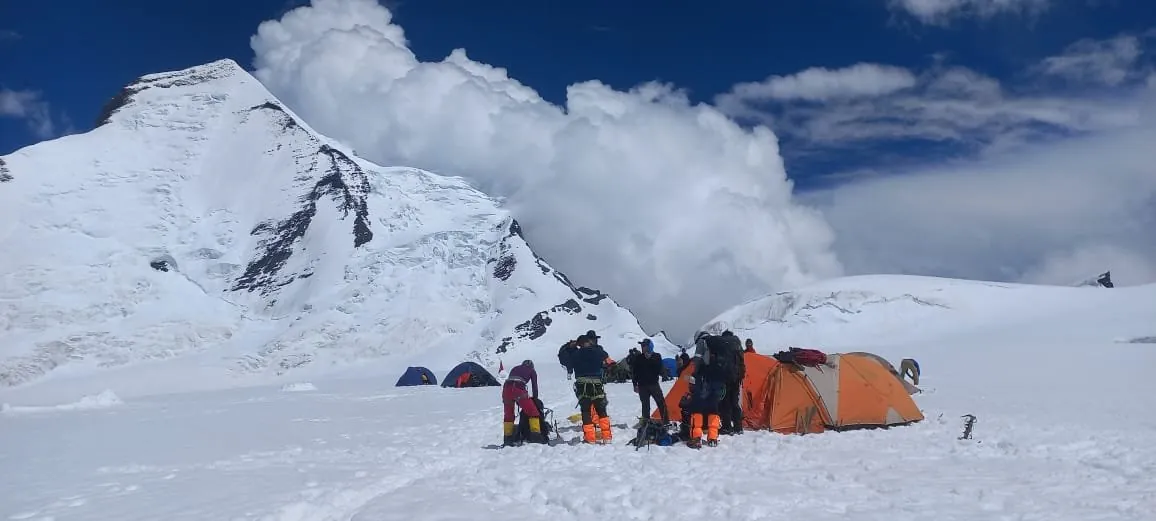
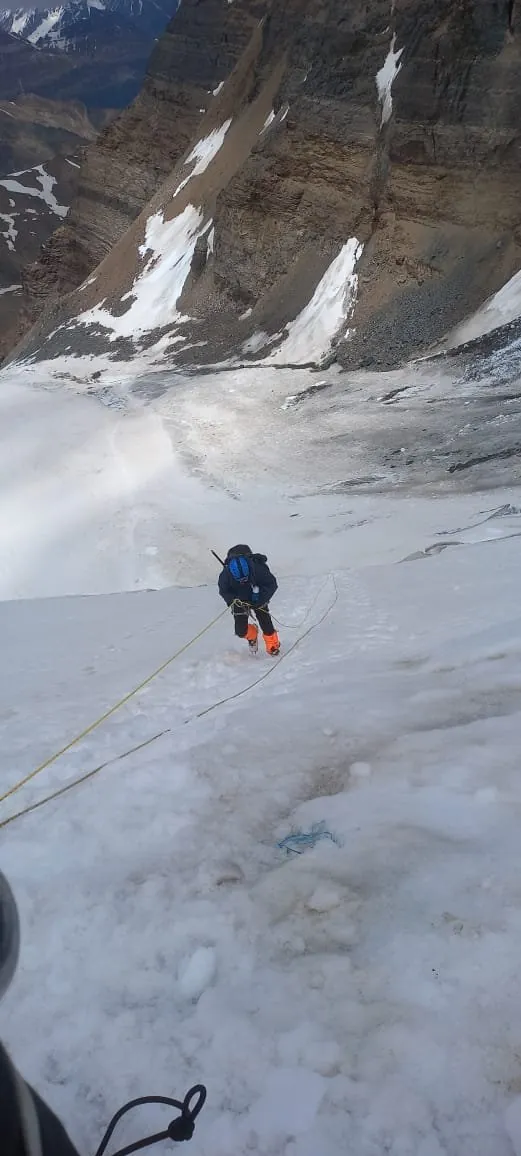
UNDERSTAND THE PRICE
The published price is ₹ 2,15,000 + 5% GST. Here is what it covers and what it does not, so nothing surprises you later. Your written quote confirms the final amount for your dates and nationality.
GETTING THERE
The expedition starts in Leh. Day 1 of the itinerary: Arrival in Leh (3,500 m).
Your exact meeting point and time are confirmed in your trip briefing.
PACKING LIST
Technical gear listed under “Included” is provided by Kailasa; bring your own only if you prefer it.
FIXED DEPARTURES
Dates are confirmed by the team after a readiness conversation. Seats are indicative.
WHO CLIMBS WITH YOU
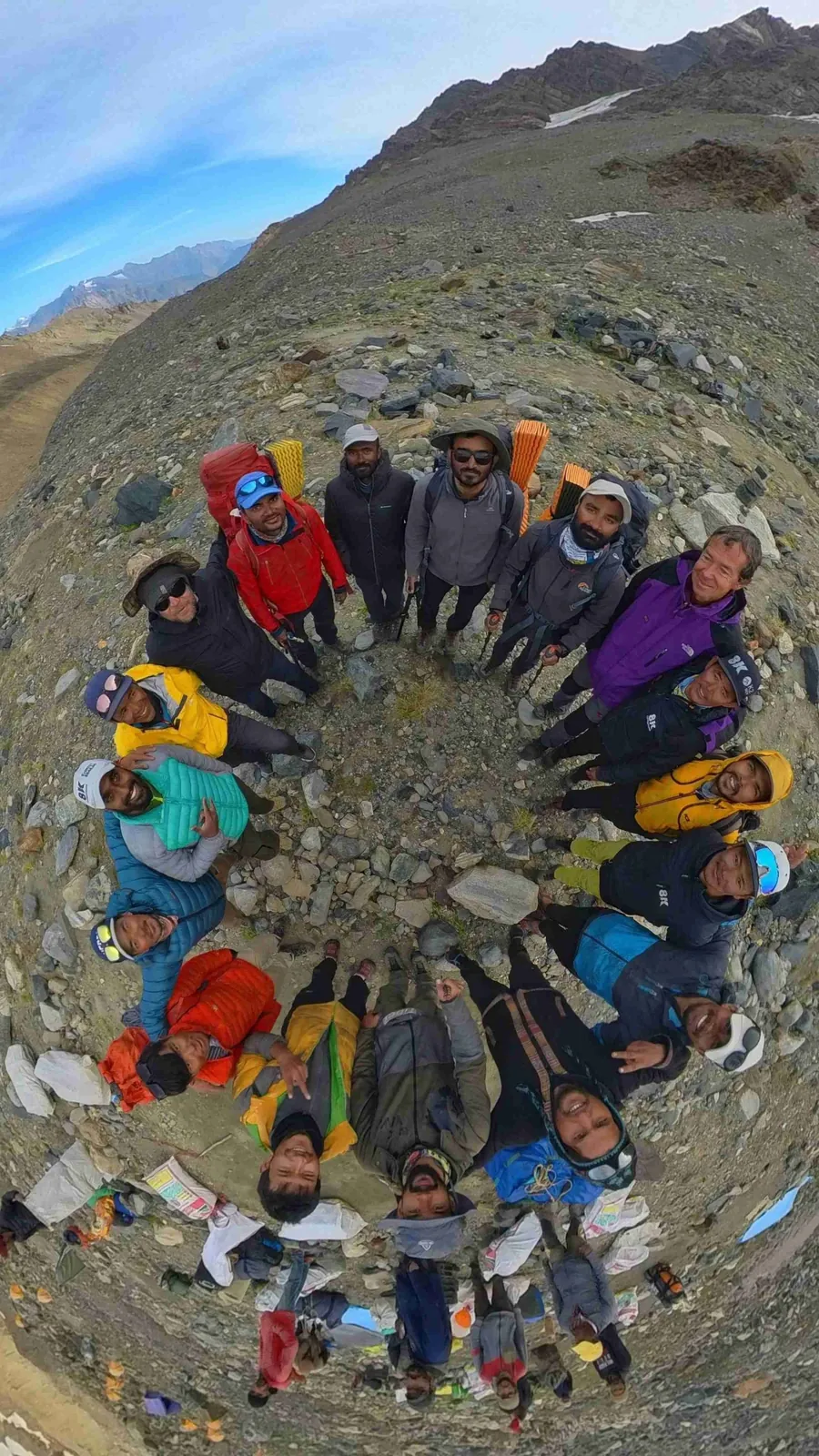
Every Mt. Nun Peak team is led by certified Kailasa guides. You meet your assigned expedition leader at the technical briefing three weeks before departure.
Founder & Lead Expedition Leader
NIM Advanced Mountaineering (Grade A) · Wilderness First Responder · guiding since 2013
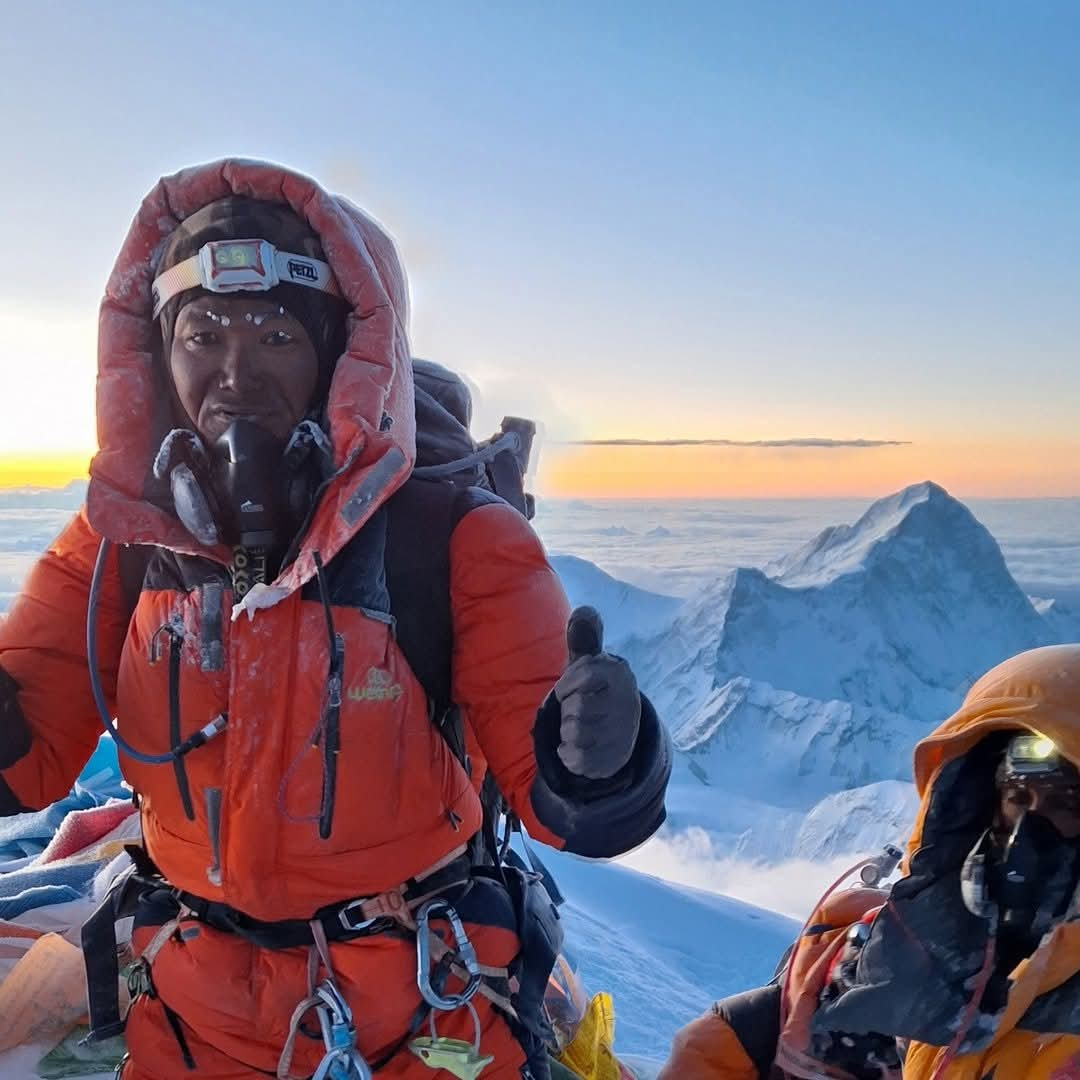
Sherpa & fixed-rope team leader
22+ years on Himalayan expeditions · 16 Everest summits · Lhotse, Makalu, Dhaulagiri
CANCELLATION
What you get back depends on how long before the start date you cancel. You can take a refund or a credit for a future Kailasa trip, valid for one year.
| Before start | Refund | Future credit (same participant) | Future credit (another participant) |
|---|---|---|---|
| More than 60 days | 85% | 100% | Not stated |
| 60 to 30 days | 70% | 85% | 75% |
| 30 to 10 days | 40% | 70% | 65% |
| Less than 10 days | No refund | 50% | 40% |
BEFORE YOU ENQUIRE
Mt. Nun (7,135 m) is located in the Suru Valley, in the Kargil district of Ladakh. It is part of the famous Nun–Kun massif, approximately 250 km from Srinagar.
Mt. Nun is classified as a highly technical and extremely challenging 7,000-meter peak. It involves navigating crevasse zones, steep ice walls, knife-edge ridges, unstable weather, and highly demanding altitude. Prior mountaineering experience is essential.
No. Mt. Nun is not for beginners. It is strictly recommended for climbers who have:
Prior experience above 6,000–6,500 m
Technical climbing skills
Familiarity with rope systems, crampons, and ice axes
Strong physical and mental endurance A mountaineering certification is an added advantage.
The best climbing seasons are:
Pre-monsoon: June to early July
Post-monsoon: Late August to September These windows offer more stable weather and manageable snow conditions.
The expedition is a 23-day programme from Leh to Leh, including 3 acclimatization nights in Leh, the climbing period (Days 7–18) and reserve days for weather. The climbing schedule stays flexible and is managed by the expedition leaders based on weather and team acclimatization.
Most expeditions follow this approach: Leh → Kargil → Shafat/Tangol → Base Camp → ABC → Camp 1 → Camp 2 → Summit Camp → Summit. for more Kailasa Treks
YOUR EXPEDITION STARTS HERE
Share your preferred dates, nationality and climbing history. Kailasa can assess route fit, then confirm the current itinerary, field support, permits, equipment and final amount in writing.
Reply within 24 hours · No payment to enquire · Written quote before you pay. Review the cancellation, privacy and booking terms before paying.
KEEP EXPLORING
THE KAILASA STANDARD
No blind checkout. No one-size-fits-all promise. Your enquiry begins with the route, your experience and the questions that matter before you commit.
Start a private planning conversationYour climbing history and readiness are discussed before the team recommends a route.
Acclimatisation, conditions and field decisions take priority over a fixed summit promise.
Ask for the current itinerary, inclusions, equipment plan and written final quote.
Confirm your expedition leader, support team and departure-specific safety arrangements.